

Hiking For Beginners On A Budget: Top Gear & Tips
Ready to step into the great outdoors, soak up that fresh air, and tackle some hiking trails? That’s awesome! Hiking is an amazing way to connect with nature, stay active, and spend quality time with friends or family. But, if you’re just getting started, you might be worried about how much it costs to gear up and if you have what you need to get going. Don’t worry! You don’t need to spend a fortune to enjoy your first hiking adventure.
In this guide, we’ll walk through all the essentials for beginner hikers on a budget. From affordable gear options to handy tips on what to wear and pack, by the end of this article, you’ll feel ready to hit the trail with confidence.
1. Affordable Gear: What Do You Really Need?
When you’re new to hiking, it’s easy to get overwhelmed by the endless options for gear. Let’s break down the basics of what you actually need (and what you don’t).
Backpack
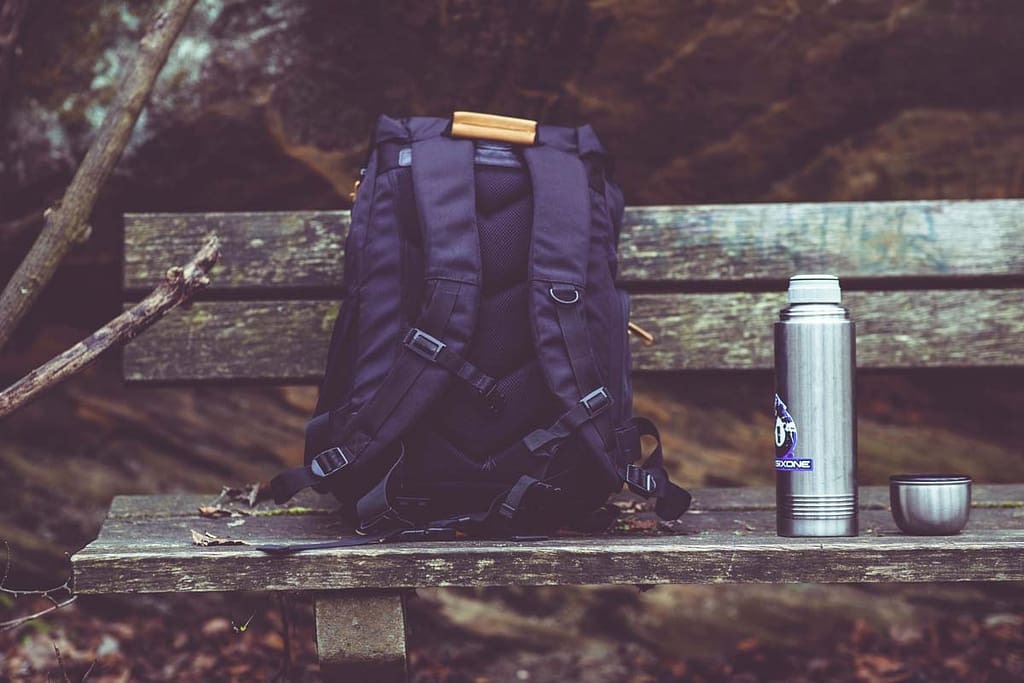
For your first hike, you’ll want a simple daypack that can carry your essentials—water, snacks, and maybe an extra layer of clothing. The good news is, you don’t need a fancy, expensive pack to get started.
- Budget-Friendly Option: Teton Sports Oasis 1100 Hydration Pack – This affordable pack comes with a hydration bladder (a great way to carry water), comfortable straps, and just the right amount of space for a day hike.
- Pro Tip: Check local thrift stores, Facebook Marketplace, or Ebay for second-hand backpacks. You can often find gently used gear for a fraction of the price.
Footwear
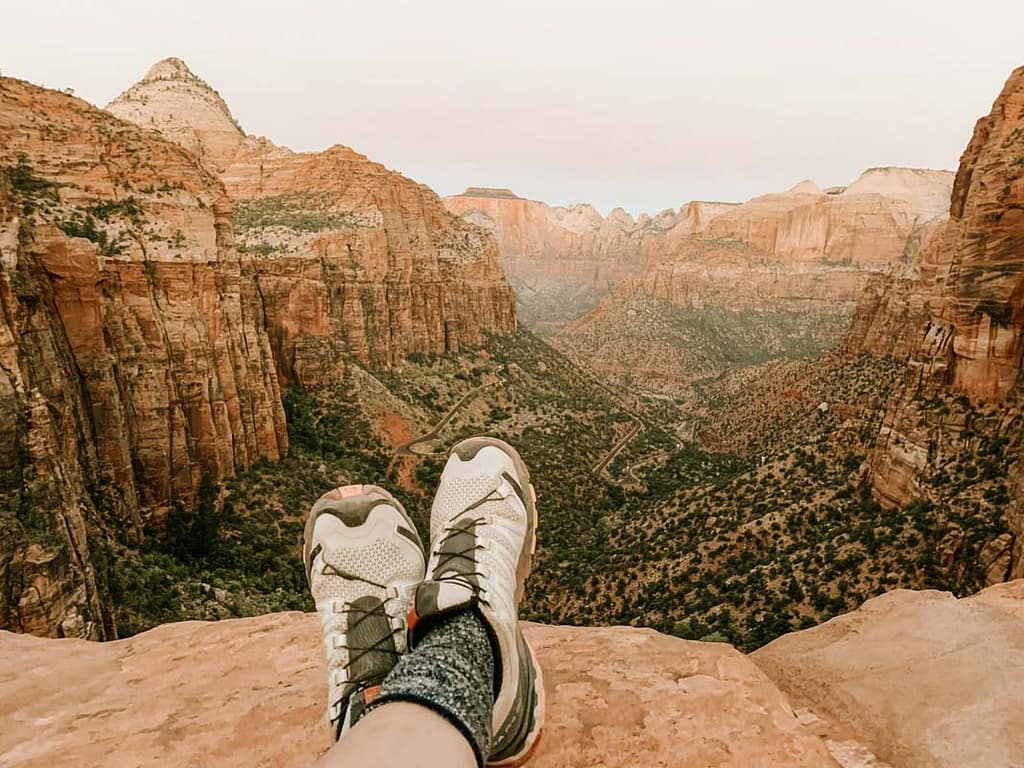
Proper footwear is crucial, but you don’t need to splurge on high-end hiking boots for a relatively easy trail. Your main goal is comfort, grip, and support.
- Budget-Friendly Option: Look for trail running shoes or basic hiking shoes that offer good support and grip. Brands like Merrell, Columbia, and Quechua (from Decathlon) offer durable options that won’t break the bank.
- Pro Tip: If you don’t want to buy shoes right away, try your regular athletic sneakers. If they have good grip and are comfortable for walking on rough terrain, they can work for easier trails.
Clothing
The best rule for hiking clothing: dress in layers! You don’t need expensive outdoor clothing to be comfortable.
- Wicking Layers: For the base layer (the one closest to your skin), choose a moisture-wicking fabric like polyester or wool. Avoid cotton, as it holds onto moisture and can leave you cold.
- Insulating Layer: Depending on the weather, a fleece jacket or light sweatshirt works well.
- Outer Layer: If there’s any chance of rain, pack a lightweight waterproof jacket or windbreaker.
- Budget-Friendly Option: The Amazon Essentials Waterproof Jacket is a low-cost option that keeps you dry without feeling heavy.
Water Bottle or Hydration Pack
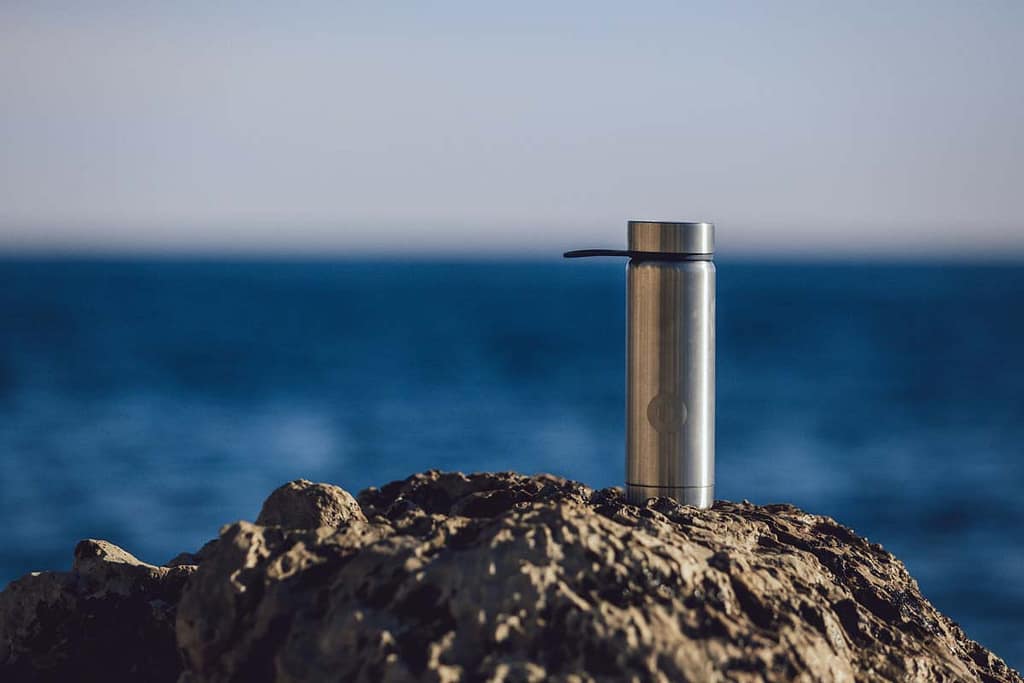
Staying hydrated is key to a good hiking experience. A basic reusable water bottle works perfectly fine.
- Budget-Friendly Option: A simple Nalgene or CamelBak Eddy bottle is durable and cost-effective.
- Pro Tip: If you’re worried about weight or don’t like carrying bottles, a hydration pack can be a good investment. It’s essentially a backpack with a built-in water reservoir.
Essentials & Accessories
- Sunscreen & Bug Spray: Protect your skin from sun and bugs. Look for travel-sized bottles at your local dollar store.
- Hat & Sunglasses: A baseball cap or sun hat will protect your face, and sunglasses will keep your eyes comfortable on bright days.
- First Aid Kit: A small, basic first aid kit should include band-aids, antiseptic wipes, and any personal medications. You can make your own by picking up supplies from the dollar store.
2. Packing for Your Hike: What to Bring
Now that you have your gear sorted out, let’s talk about packing! For an easy hike, you won’t need much, but here’s a checklist to make sure you’ve got the essentials:
The Basic Day Hike Checklist
- Water (1 liter for every 2 hours of hiking)
- Snacks: Trail mix, granola bars, fruit (apples, oranges), nuts, or sandwiches are great options.
- Extra Clothing Layer: A lightweight jacket, sweater, or raincoat in case the weather changes.
- Navigation: Carry a map or use a phone app like AllTrails or Gaia GPS to track your route. Make sure your phone is charged!
- Sun Protection: Sunscreen, hat, sunglasses.
- Simple First Aid Kit: Band-aids, blister pads, pain relief medication.
- Trash Bag or Ziplock: To pack out any trash you produce—leave no trace!
3. Finding Your First Hiking Trail
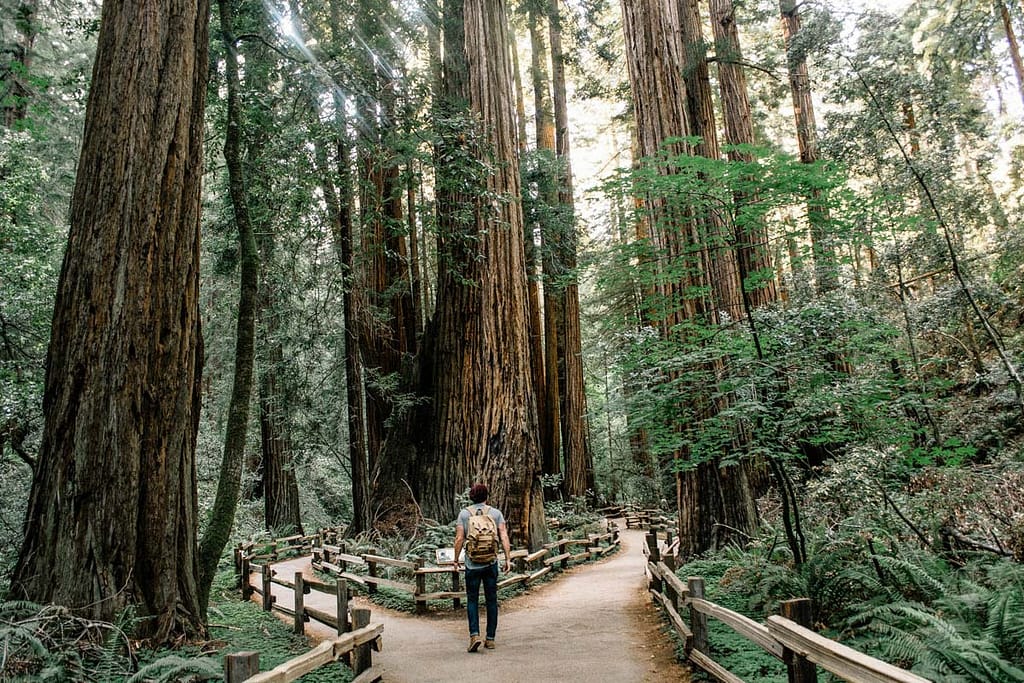
As a beginner, it’s important to choose a trail that matches your fitness level and comfort. You don’t want anything too steep or long for your first adventure. Here’s how to find a suitable trail:
Trail-Finding Resources
- AllTrails (App & Website): Search by difficulty, distance, and location. AllTrails is a popular resource among hikers, with user reviews and photos to help you choose a trail that fits your needs.
- Local Parks & Nature Reserves: Your local county or state parks often have well-marked, beginner-friendly trails. Their websites usually provide trail maps and difficulty ratings.
- Hiking Guidebooks: If you prefer a physical guide, look for hiking books specific to your region. Many offer detailed descriptions and maps.
Choosing the Right Trail
- Length & Time: Start with a shorter hike (1-3 miles) that takes around 1-2 hours.
- Elevation Gain: Stick to trails with moderate elevation gain (under 500 feet) for a beginner-friendly experience.
- Scenic but Safe: Look for well-marked trails with scenic views but without risky terrain like steep drop-offs or river crossings.
4. Useful Hiking Tips for Beginners
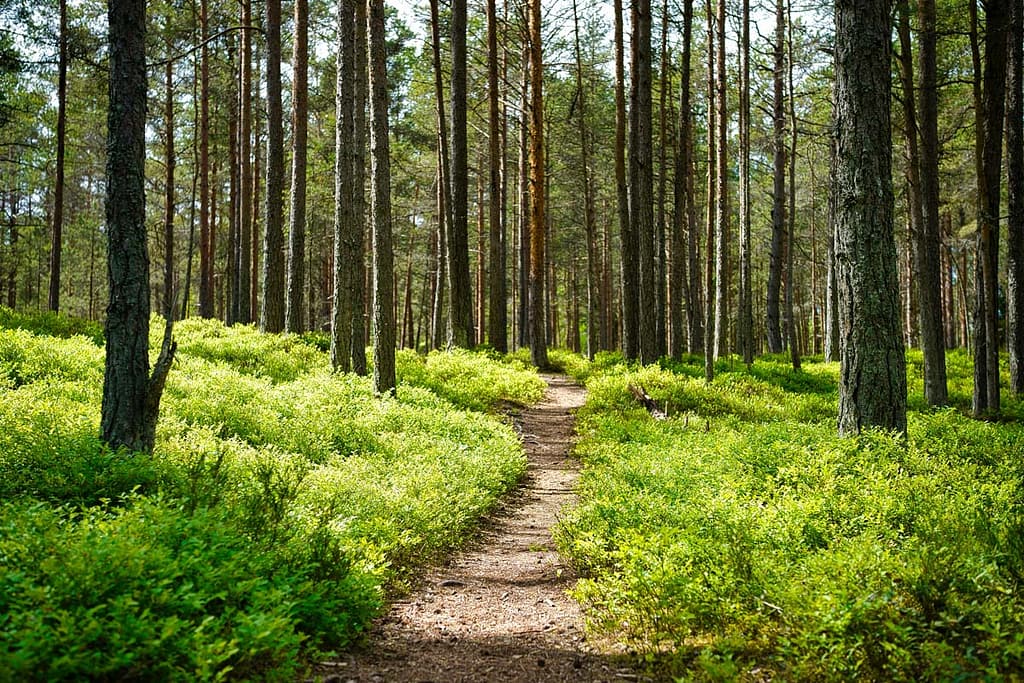
To ensure your first hiking adventure is a fun and memorable experience, here are some tips to keep in mind:
Check the Weather Before You Go
Weather can change quickly, so make sure you’re aware of the forecast. If it looks like heavy rain or thunderstorms, it’s best to reschedule for a safer day.
Start Slow & Pace Yourself
Don’t feel like you need to keep up a super-fast pace. The goal is to enjoy your time outdoors, take in the views, and have fun. It’s okay to take breaks when you need them.
Leave No Trace
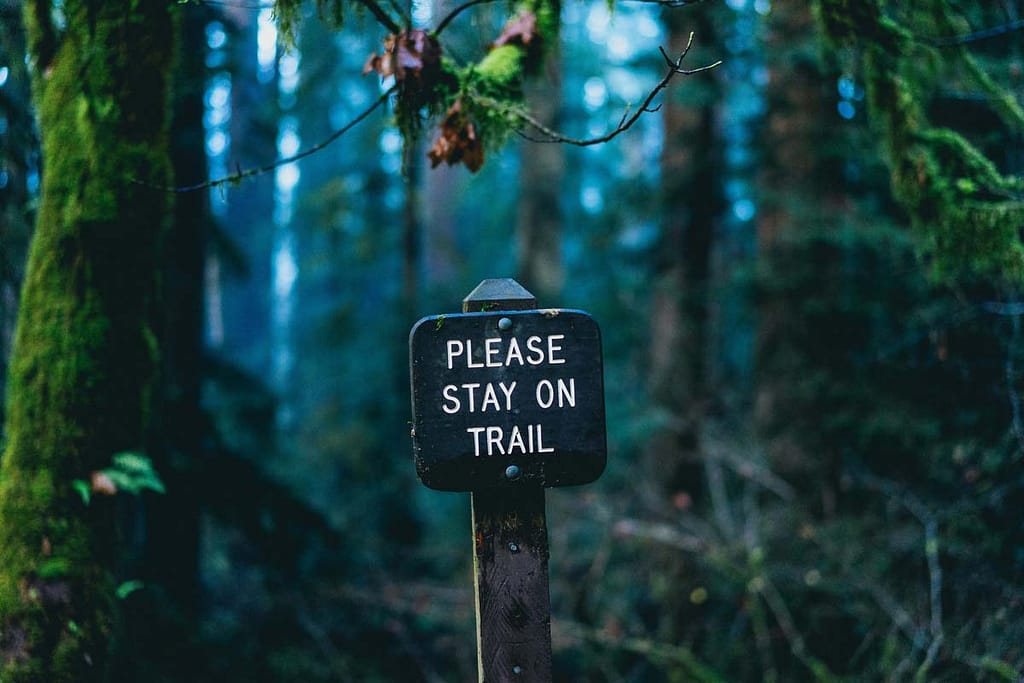
Follow the “Leave No Trace” principles by packing out all your trash, respecting wildlife, and staying on the trail. This helps keep the trails clean and enjoyable for everyone.
Tell Someone Where You’re Going
Even if you’re going on a well-known trail, let a friend or family member know where you’re heading and when you plan to be back. Safety first!
Stay on Marked Trails
It’s easy to get turned around when hiking, so stick to marked trails and follow signs. If you’re ever unsure, double-check your map or use a GPS app to get back on track.
5. Making Your First Hike an Adventure
Hiking is not just about the physical activity; it’s about making memories, connecting with nature, and having fun. Here are some extra ideas to make your hike even more memorable:
- Bring a Camera: Capture the beautiful scenery or any wildlife you spot.
- Involve the Kids: If you’re hiking as a family, let the kids lead the way sometimes or make a nature scavenger hunt to keep them engaged.
- Pack a Picnic: Bring a blanket and enjoy a meal with a view at the end of the trail.
Embrace the Journey
Hiking is one of the most rewarding and budget-friendly ways to get outdoors and explore new places. With just a few basic items and a positive attitude, you’re ready to conquer your first trail. Remember to have fun, take it easy, and soak in the beauty around you.
Now that you’re geared up with the knowledge and essentials, it’s time to lace up those shoes, grab your backpack, and hit the trail! Happy hiking!

