

The Ultimate Family Hiking Gear Checklist
Hiking is a great way to get the family together, enjoy the outdoors, and explore new places. If you’re just getting started, picking the right gear can feel a bit overwhelming—especially when you need to make sure everyone is comfortable, safe, and ready for an adventure. Fear not! I’ve put together this easy-to-follow ultimate family hiking gear checklist so you’ll be fully prepared for your next outdoor adventure in any season.
1. The Basics: Must-Have Gear for Any Hike
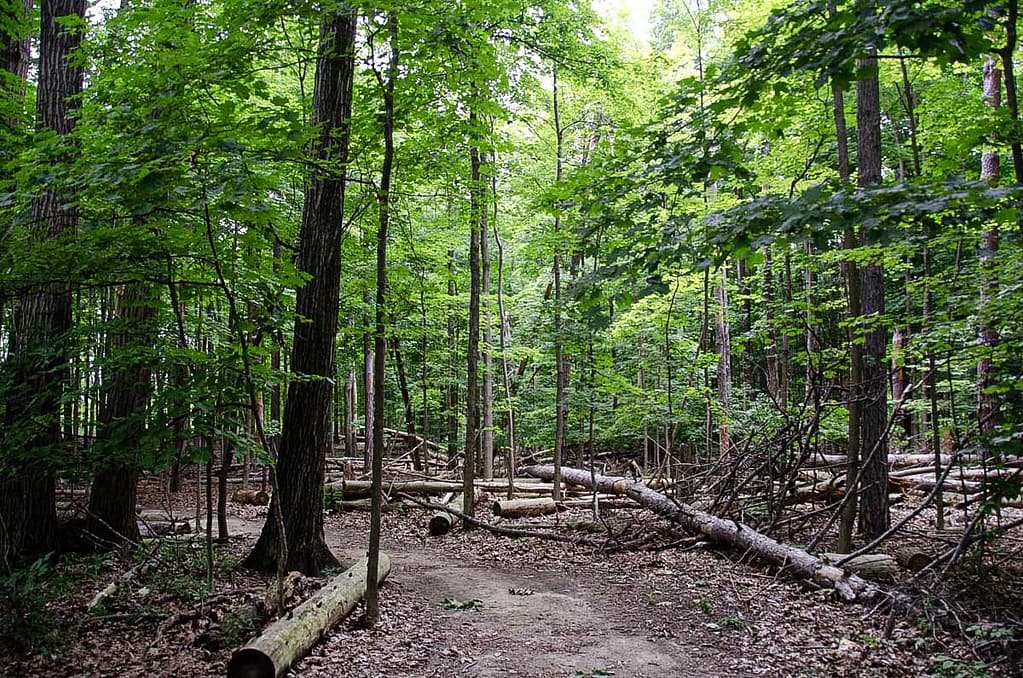
Let’s start with the essentials. Whether you’re hiking on a mild spring day or a crisp autumn morning, these items are always good to have with you.
Comfortable Footwear
- For Parents & Teens: Go for lightweight, sturdy hiking shoes or trail runners. These provide great support, grip, and comfort and they make a world of difference. Brands like Merrell, Salomon, and Columbia offer affordable and durable options.
- For Kids: Look for hiking shoes with good grip and ankle support.
Backpacks
- Ideally, everyone should have their own backpack, but on our family hikes we’ve found that one pack for the family is sufficient for shorter hikes.
- For Adults & Older Kids: A daypack with padded straps, around 15-25 liters, is perfect for holding snacks, water, and extra clothing. Be sure to find ones that are high on comfort and durability.
- For Younger Kids: A small, lightweight backpack with wide straps works well.
Water Bottles & Hydration
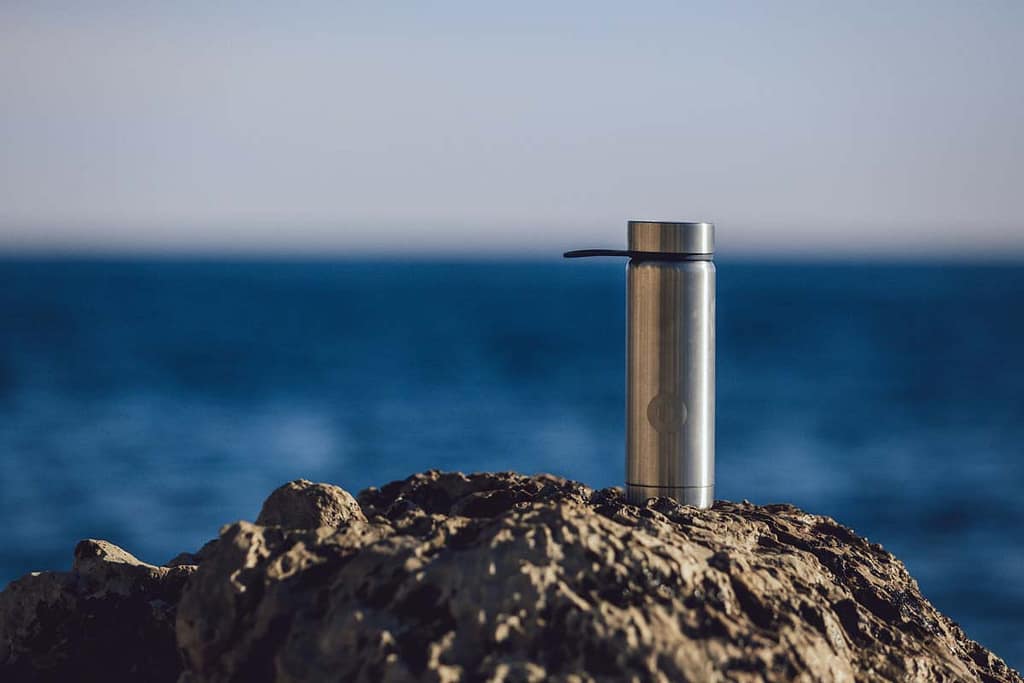
- Staying hydrated is key! Bring one water bottle per person or use a hydration reservoir (water bladder that fits inside your backpack).
- For Bottles: Look for something sturdy and easy to clean, like Nalgene bottles or Hydro Flask containers.
- For Hydration Packs: A small CamelBak is great for kids who may not want to carry a bottle.
Healthy Snacks
- Fueling up along the way is important, especially for younger hikers. Pack easy-to-eat snacks like:
- Granola bars
- Trail mix
- Fresh fruits (apples, oranges)
- Cheese sticks
- Consider reusable snack bags for a more eco-friendly option.
2. Clothing: Dress in Layers
Layering is key to staying comfortable, no matter the season. The idea is to add or remove layers as your body heats up or cools down. Here’s a quick breakdown:
Base Layer (Moisture-Wicking)
- The layer closest to your skin should be moisture-wicking to keep you dry and comfortable. Opt for quick-dry materials like polyester or merino wool.
- For Adults & Kids: Look for basic moisture-wicking shirts and leggings.
Insulating Layer (Warmth)
- This layer keeps you warm, and fleece or wool works best. A fleece jacket or pullover is perfect for cooler temperatures.
Outer Layer (Protection)
- A waterproof jacket or windbreaker will help protect you from the elements.
- For Adults: A packable rain jacket will do the trick.
- For Kids: Look for jackets that are lightweight but effective against wind and rain.
Comfortable Bottoms
- Hiking pants or leggings are ideal; avoid cotton as it retains moisture.
- For Adults: PrAna or Columbia hiking pants are comfortable and durable.
- For Kids: Stretchy leggings or quick-dry shorts work well.
Hats & Sunglasses
- A sun hat or cap to protect from sun exposure, and sunglasses with UV protection are always a good idea.
3. Safety & Comfort: Be Prepared
To ensure a safe and fun hike, don’t forget to pack these essentials:
First Aid Kit
- A basic first aid kit is a must. Include items like band-aids, antiseptic wipes, blister pads, and any personal medications.
Sunscreen & Insect Repellent
- Sunscreen (SPF 30 or higher) is crucial to avoid sunburn, even on cloudy days.
- A deet-free insect repellent is great for keeping away pesky bugs.
Navigation
- A paper map of the area and a compass are good to have as a backup, even if you use a GPS app on your phone.
Flashlight or Headlamp
- A lightweight headlamp or flashlight with extra batteries is helpful in case your hike takes longer than expected.
4. Extra Gear for a More Comfortable Hike
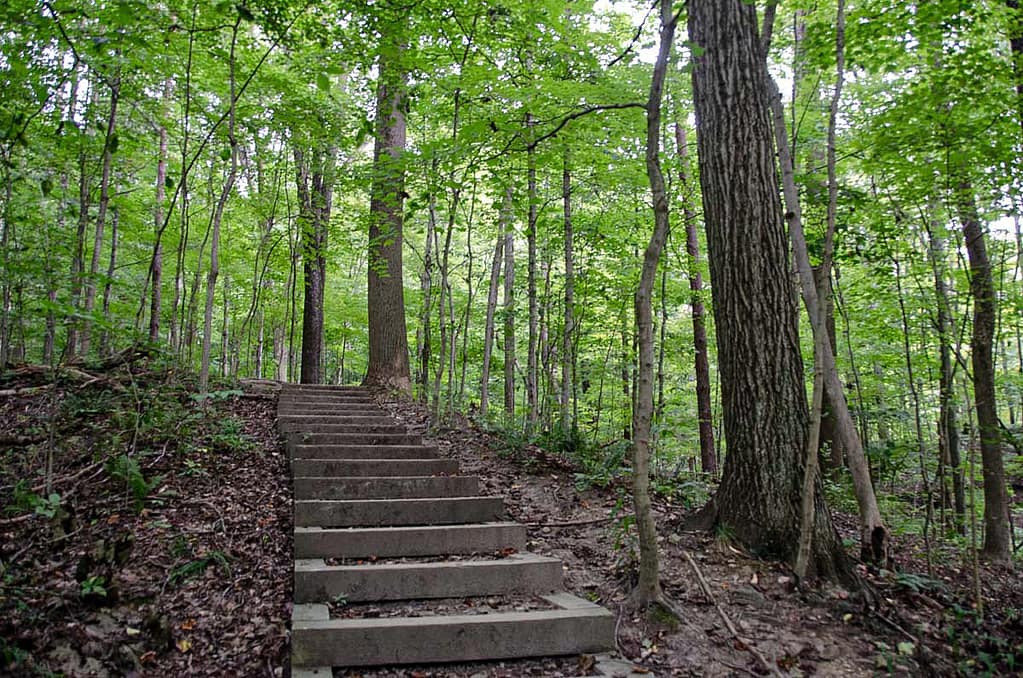
Want to make your hike even more enjoyable? Consider these additional items:
Trekking Poles
- While optional, trekking poles can provide stability, reduce knee strain, and are a great help on steep or uneven terrain.
Lightweight Picnic Blanket
- A small, packable blanket or sitting pad can make snack breaks or scenic views more comfortable.
Binoculars or Nature Guidebook
- Binoculars are fun for birdwatching, and a small nature guidebook can help identify plants, birds, and other wildlife along the trail—especially great for keeping kids engaged!
5. Seasonal Add-Ons: Gear for Different Weather
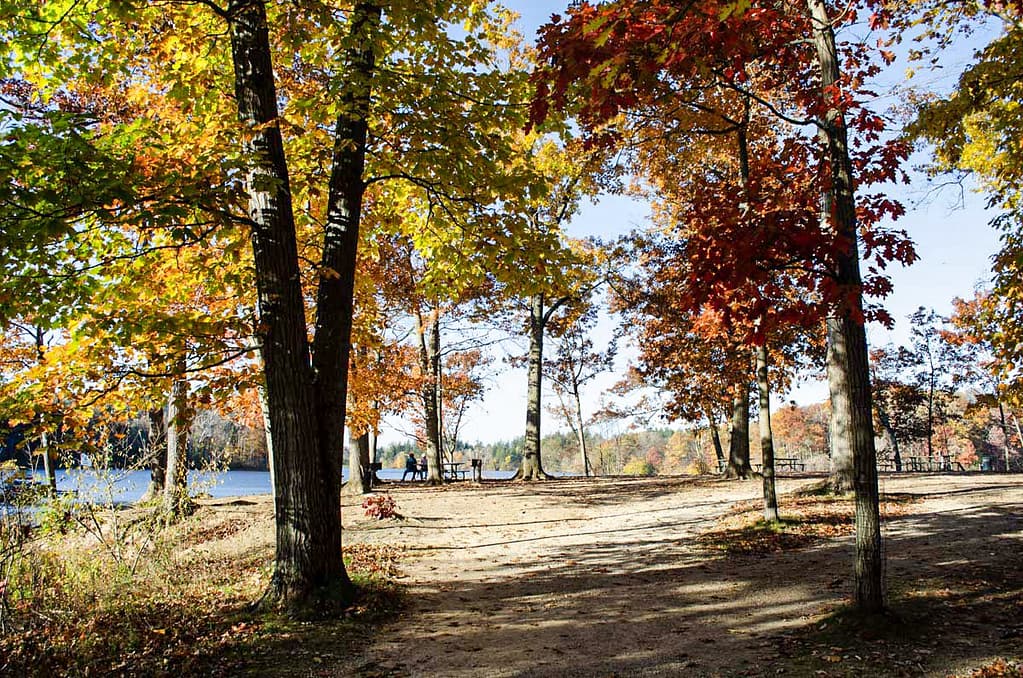
Finally, let’s talk about those season-specific extras:
For Warm Weather
- Cooling Towel: A cooling towel soaked in water can provide instant relief on hot hikes. Frogg Toggs make great options.
- Bug Net Hat: In buggy areas, a hat with a built-in bug net can make a big difference.
For Cold Weather
- Warm Hat & Gloves: A cozy hat and gloves are essential for cold hikes. Wool or fleece options work well.
- Thermal Base Layers: For extra warmth, add thermal leggings and long-sleeve tops.
- Gaiters: If you’re hiking in snow or mud, consider using gaiters to keep your legs and shoes dry.
For Rainy Weather
- Waterproof Backpack Cover: A backpack cover can protect your gear from getting wet. Osprey and REI Co-op make waterproof covers that fit most backpacks.
- Quick-Dry Towel: A compact, quick-dry towel can come in handy for wiping off wet gear or drying off during a surprise downpour.
Packing Made Simple
When preparing for a family hike, it’s always better to be over-prepared than under-prepared. The great thing about hiking gear is that many items are versatile and can be used across multiple seasons and outdoor activities. Stick to the basics, dress in layers, and make sure everyone is comfortable—you’re bound to have an amazing time out on the trail.
So pack up those backpacks, lace up your hiking shoes, and hit the trail with confidence—your next family adventure awaits!

